
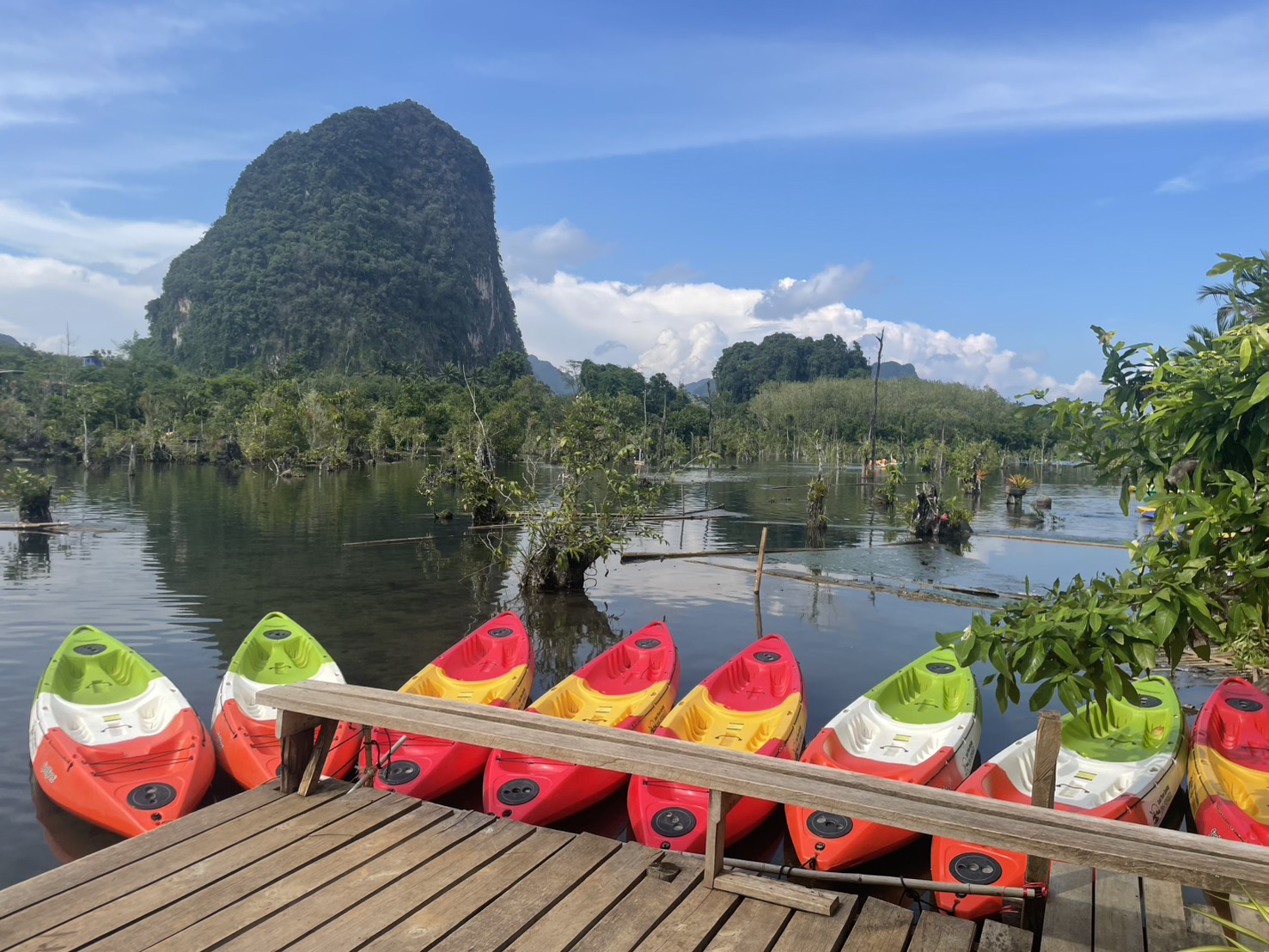

Krabi, a province located on Thailand’s Andaman coast, is globally known for its dramatic limestone cliffs, turquoise waters, and pristine mangrove forests. Among the many outdoor activities available, kayaking has become one of the most iconic and sustainable ways to explore Krabi’s natural beauty.
However, kayaking in Krabi is not just a modern tourism activity. Its roots are deeply connected to local lifestyles, geography, and traditional water-based transportation. Over time, kayaking has evolved from a practical means of travel into a world-class eco-adventure that attracts travelers from every corner of the globe.
This article explores the history of kayaking in Krabi, its cultural and environmental significance, and the best kayaking locations in Krabi for travelers seeking authentic nature-based experiences.
The Origins of Kayaking and Its Connection to Coastal Cultures
A Brief Global History of Kayaking
The concept of kayaking dates back over 4,000 years. Indigenous Arctic peoples, such as the Inuit, Aleut, and Yupik, originally designed kayaks as lightweight vessels made from animal skins stretched over wooden frames. These boats were used primarily for hunting and transportation across cold waters.
While the modern kayak has evolved significantly in design and materials, the fundamental principle remains the same: a narrow, human-powered watercraft designed for efficiency, control, and close interaction with water environments.
Traditional Water Transportation in Southern Thailand
In southern Thailand, including Krabi, coastal and river-based transportation has always played a vital role in daily life. Long before kayaking became a tourist activity, local communities relied on small wooden boats to navigate:
- Mangrove forests
- Rivers and estuaries
- Coastal fishing areas
- Limestone caves and lagoons
These traditional practices laid the foundation for kayaking as a natural extension of local maritime culture.
The Emergence of Kayaking in Krabi
Geography That Shaped the Activity
Krabi’s unique geography makes it ideal for kayaking:
- Extensive mangrove forests along the coast
- Calm rivers such as the Krabi River and Ao Thalane
- Hidden lagoons and sea caves accessible only by small boats
- Sheltered bays protected from strong ocean currents
Unlike speedboats or large vessels, kayaks allow silent, low-impact access to these sensitive ecosystems.
From Local Practice to Tourism Activity
Kayaking began gaining popularity in Krabi during the late 1990s and early 2000s, coinciding with Thailand’s shift toward eco-tourism and sustainable travel experiences.
Local operators started offering guided kayak tours as an alternative to mass tourism activities. These tours emphasized:
- Environmental education
- Wildlife observation
- Low-carbon travel
- Cultural storytelling by local guides
As international awareness grew, kayaking became a signature activity associated with Krabi’s eco-friendly image.
The Role of Eco-Tourism in Krabi’s Kayaking Culture
Sustainability and Environmental Protection
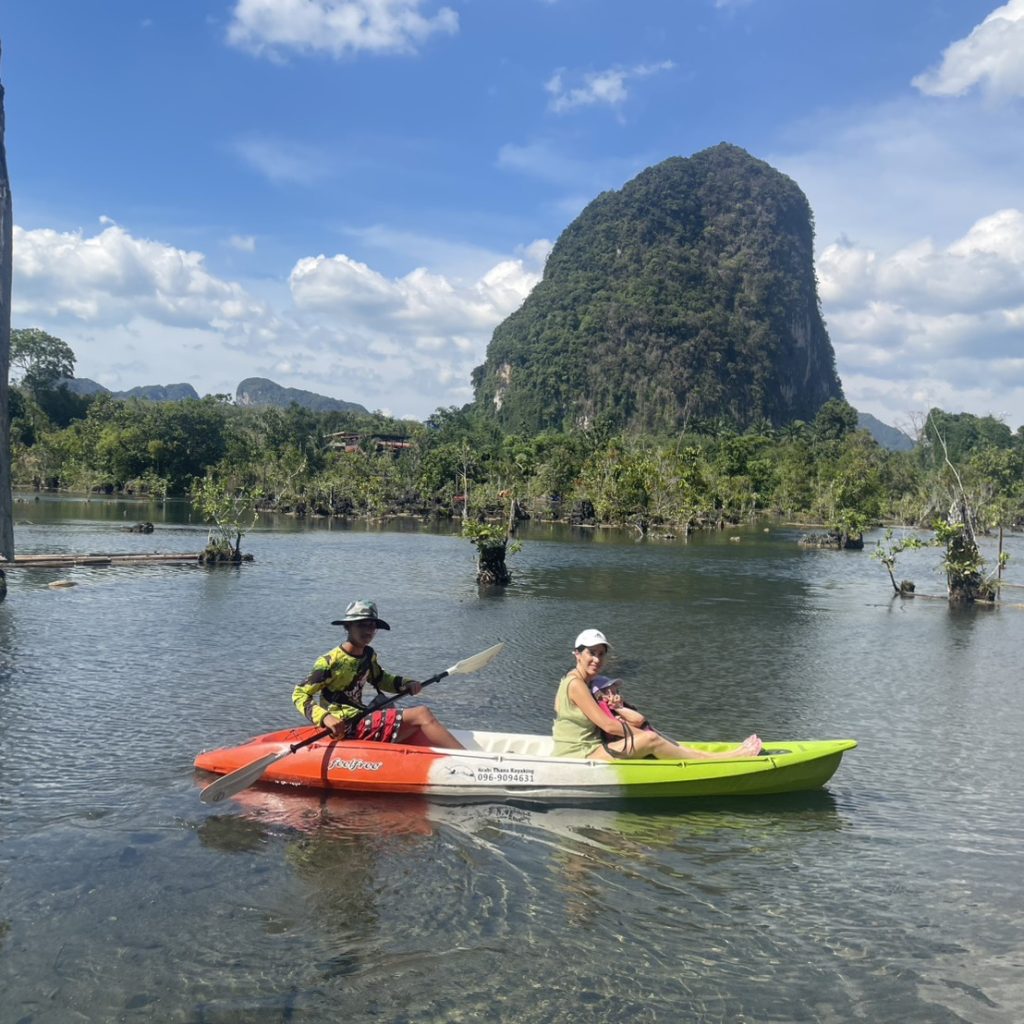
Kayaking is considered one of the most environmentally responsible water activities in Krabi. Unlike motorized tours, kayaking produces:
- No fuel pollution
- Minimal noise disturbance
- Low shoreline erosion
This makes it particularly suitable for mangrove ecosystems, which serve as natural coastal barriers and marine nurseries.
Community-Based Tourism
Many kayaking tours in Krabi are operated by local communities. This model helps:
- Create sustainable income for residents
- Preserve traditional knowledge
- Encourage environmental stewardship
- Reduce overdevelopment
As a result, kayaking supports both conservation and local economic growth.
Best Kayaking Locations in Krabi
Ao Thalane (Thalane Bay)
Ao Thalane is widely regarded as the best kayaking destination in Krabi.
Key highlights include:
- Dense mangrove forests
- Limestone canyons
- Calm, shallow waters
- Year-round accessibility
The area is ideal for beginners and families, while still offering scenic beauty for experienced kayakers.
Bor Thor and Lod Cave
Bor Thor is famous for its archaeological sites and cave systems.
Kayakers can explore:
- Ancient cave paintings
- Narrow water passages
- Elevated limestone formations
This location combines natural adventure with historical discovery, making it unique among kayaking routes in Thailand.
Krabi River
The Krabi River flows through mangroves and local fishing villages before reaching the Andaman Sea.
Kayaking along the river offers:
- Insight into local lifestyles
- Birdwatching opportunities
- Sunset kayaking experiences
It is particularly popular for half-day and sunset tours.
Hong Island Lagoon
Accessible by sea kayak or kayak-boat combinations, Hong Island features a stunning hidden lagoon surrounded by cliffs.
This location is best suited for experienced paddlers or guided tours due to changing tides and open-sea conditions.
Kayaking as a Modern Travel Experience in Krabi
Types of Kayaking Tours Available
Today, visitors can choose from various kayaking experiences in Krabi, including:
- Guided eco-tours
- Self-guided rentals
- Sunset kayaking
- Private kayaking tours
- Kayak + snorkeling packages
Each option caters to different travel styles, from adventure seekers to leisure travelers.
Who Is Kayaking in Krabi For?
Kayaking in Krabi is suitable for:
- Beginners with no prior experience
- Families with children
- Couples seeking peaceful activities
- Nature lovers and photographers
- Eco-conscious travelers
Most tours include safety briefings and professional guides.
The Future of Kayaking in Krabi
Technology and Tourism Evolution
Modern kayaking in Krabi has embraced technology through:
- Online booking platforms
- Digital travel guides
- GPS-based tour planning
- Multilingual guide services
These advancements improve accessibility while maintaining sustainability.
Conservation Challenges and Opportunities
As tourism continues to grow, managing environmental impact remains crucial. Future efforts focus on:
- Limiting daily visitor numbers
- Educating tourists on responsible behavior
- Expanding protected marine areas
- Supporting community-led tourism initiatives
Kayaking is expected to remain a central part of Krabi’s eco-tourism strategy.
Conclusion: Why Kayaking Defines Krabi’s Natural Identity
Kayaking in Krabi is more than an activity—it is a reflection of the region’s relationship with nature, water, and community. From its roots in traditional water travel to its role in modern eco-tourism, kayaking represents a sustainable way to experience Krabi’s landscapes without harming them.
For travelers seeking authentic, peaceful, and environmentally responsible adventures, kayaking offers one of the most meaningful ways to explore Krabi.
Summary
Kayaking in Krabi has evolved from traditional water-based transportation into one of Thailand’s leading eco-tourism activities. Supported by unique geography, local communities, and sustainable travel principles, kayaking allows visitors to explore mangroves, rivers, caves, and lagoons in a responsible way. With world-renowned locations such as Ao Thalane and Bor Thor, Krabi continues to define itself as a premier kayaking destination in Southeast Asia.
0 Comment