
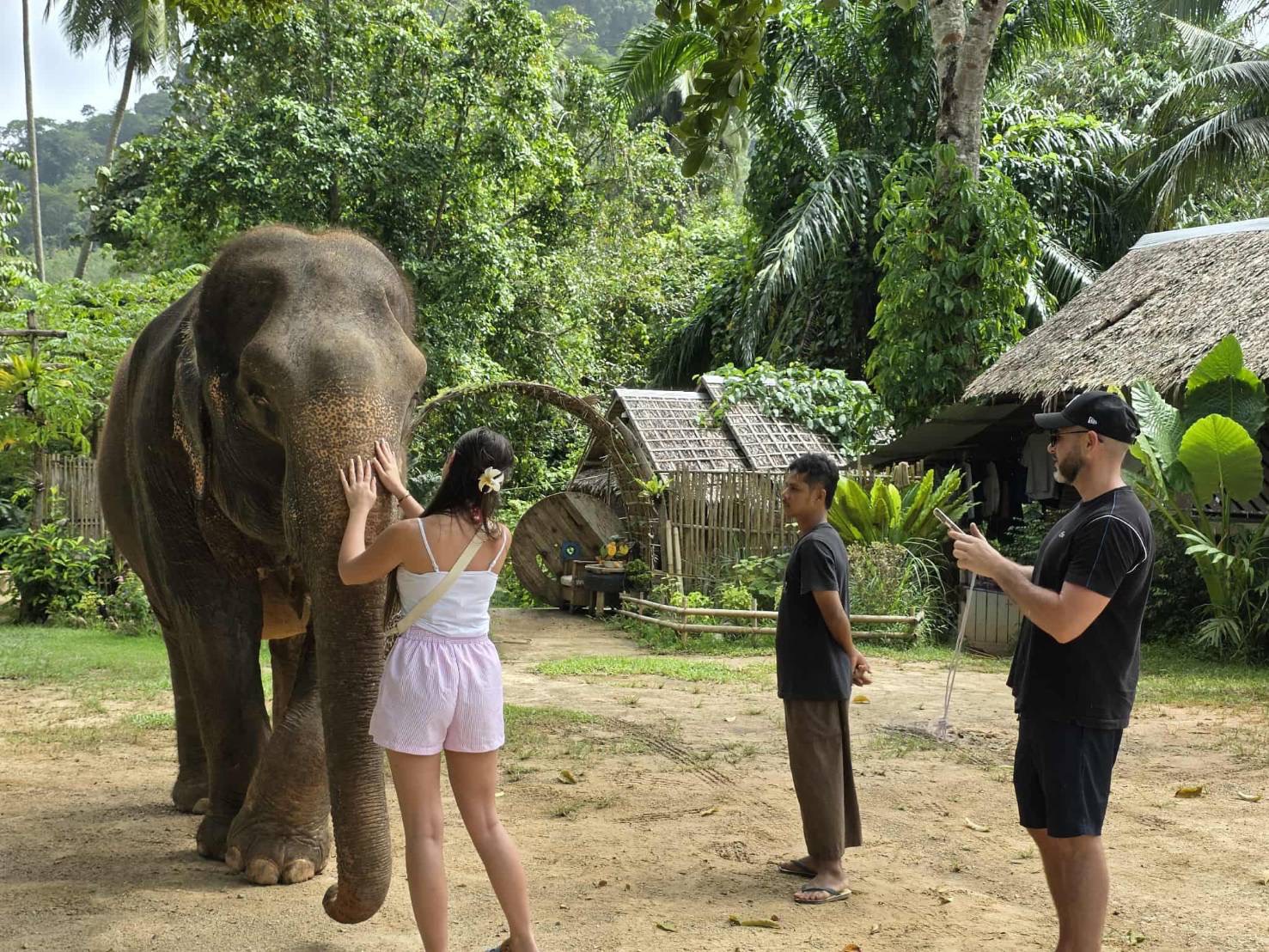

Elephants have been an essential part of Thai history and culture for centuries. As Thailand’s national animal, elephants represent strength, wisdom, loyalty, and the deep bond between humans and nature. Throughout history, elephants played important roles in agriculture, transportation, forestry, and royal ceremonies. Today, elephant-related tourism has evolved into more ethical and educational experiences, with Elephant Feeding & Elephant Trekking Krabi becoming popular alternatives to traditional riding and shows.
Elephant feeding and trekking are not activities invented purely for tourism. They are rooted in traditional elephant care practices that focused on respect, daily interaction, and coexistence between elephants and their caretakers. This article explores what Elephant Feeding & Elephant Trekking Krabi are, where these practices originated, their cultural significance in Thailand, and famous destinations across the country, with special attention to Krabi as an emerging ethical elephant tourism destination.
What Is Elephant Feeding & Trekking?
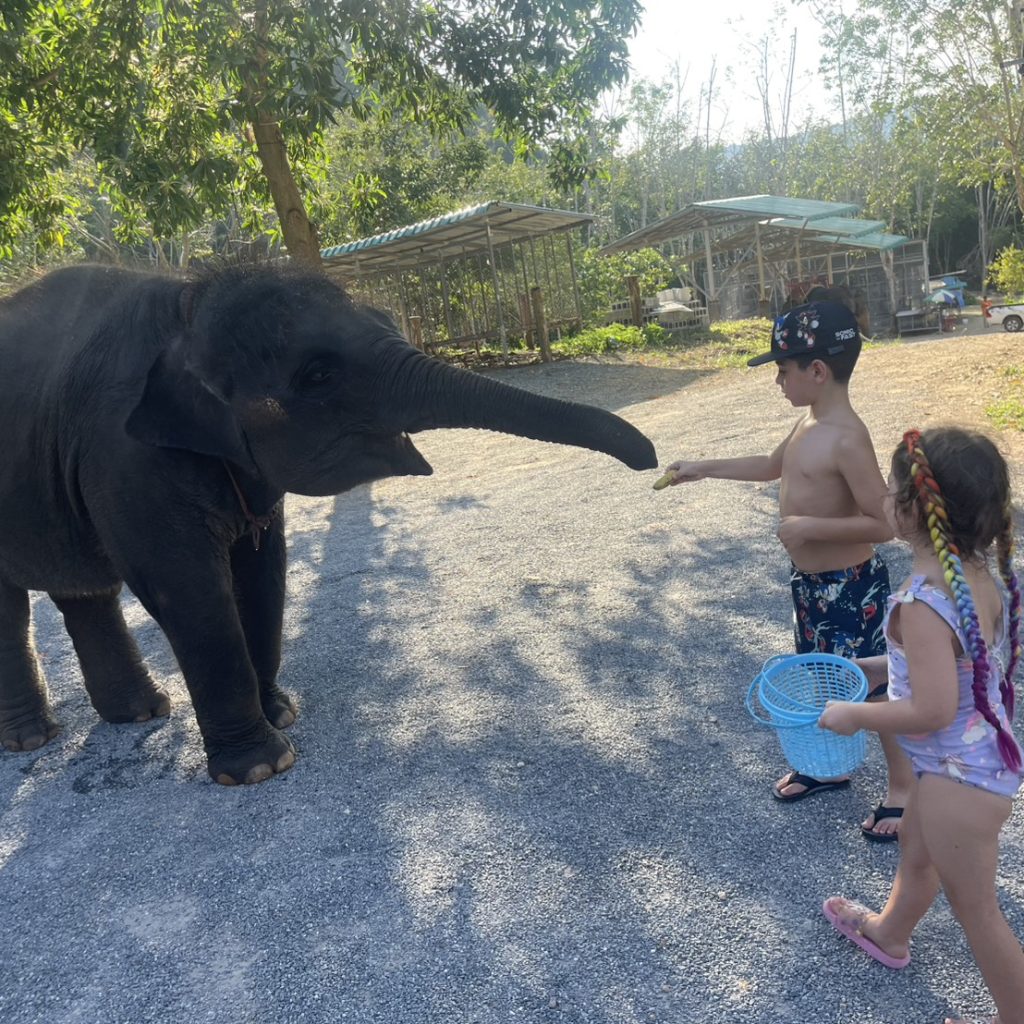
Elephant Feeding refers to the activity of preparing and offering natural food—such as bananas, sugarcane, grass, and seasonal fruits—to elephants under the supervision of trained caretakers. The goal is not performance, but interaction, education, and understanding elephant behavior.
Elephant Trekking, in its ethical form, does not involve riding. Instead, it means walking alongside elephants through forests or natural trails, observing how they move, eat, and interact with their environment. Visitors follow the elephants at a respectful distance while learning about their daily routines.
Together, elephant feeding and trekking focus on:
- Natural behavior
- Voluntary interaction
- Education and conservation
- Respect for animal welfare
Elephants in Traditional Thai Society
Elephants and Daily Life
For hundreds of years, elephants were deeply integrated into Thai society. In rural and forested regions, elephants assisted humans with:
- Carrying goods
- Clearing land
- Transporting timber
- Traveling through dense forests
Elephants lived closely with humans, often under the care of mahouts (traditional elephant caretakers), who developed lifelong relationships with the animals.
Feeding as a Cultural Practice
Feeding elephants was a daily responsibility and a sign of respect. Mahouts carefully selected food to maintain elephant health, strength, and emotional well-being. Feeding time was also when trust was built between humans and elephants, forming the cultural foundation of modern elephant feeding experiences.
The Origins of Elephant Trekking

Trekking Before Tourism
Historically, trekking alongside elephants was a practical necessity. Mahouts walked with elephants through forests and villages, guiding them to food sources, water, and work areas. These journeys were slow, mindful, and deeply connected to nature.
There was no concept of entertainment; trekking was part of daily life and survival.
Transition Into Tourism
As Thailand modernized and logging bans were introduced, elephants were no longer needed for heavy labor. Many elephant owners turned to tourism for survival. Early elephant tourism often involved riding, which later raised serious welfare concerns.
In response, ethical sanctuaries reintroduced trekking in its original form: walking with elephants rather than riding them.
The Rise of Ethical Elephant Feeding & Trekking
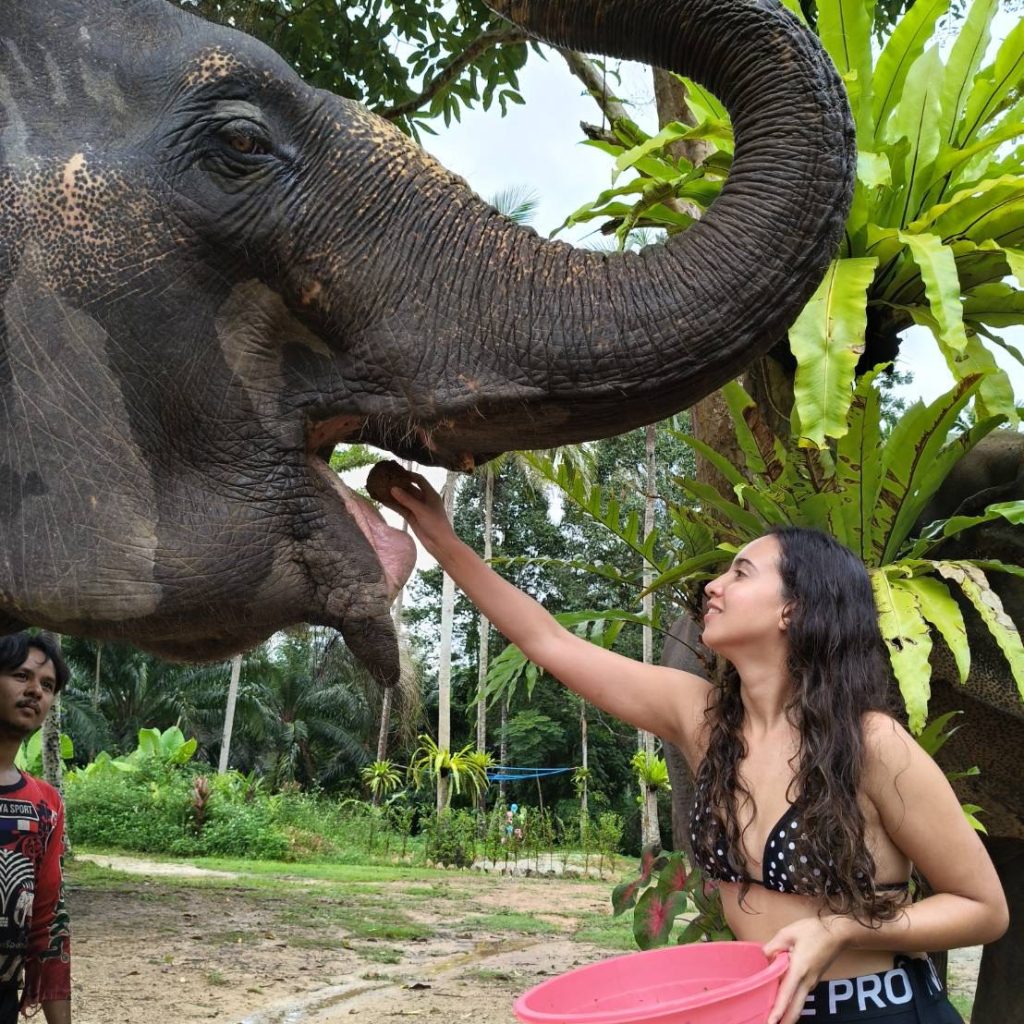
Global Awareness and Change
Over the past two decades, global awareness of animal welfare has transformed elephant tourism. Travelers began seeking experiences that avoided exploitation and supported conservation.
This shift led to the rise of:
- No-riding policies
- Small group interactions
- Education-focused programs
- Natural feeding and walking experiences
Elephant feeding and trekking became popular because they align closely with traditional care practices.
Education Over Entertainment
Modern elephant feeding and trekking experiences aim to teach visitors about:
- Elephant behavior and communication
- Diet and health
- Conservation challenges
- The role of mahouts in elephant care
This turns the activity into a meaningful cultural exchange rather than a spectacle.
Cultural Significance of Feeding and Walking with Elephants
In Thai culture, caring for elephants is considered a moral responsibility. Feeding elephants is often associated with merit-making, kindness, and gratitude. Walking with elephants symbolizes coexistence rather than dominance.
These values are reflected in ethical elephant feeding and trekking experiences today, where respect and patience are prioritized over control.
Famous Elephant Feeding & Trekking Destinations in Thailand
Krabi – Ethical Elephant Experiences in a Natural Setting
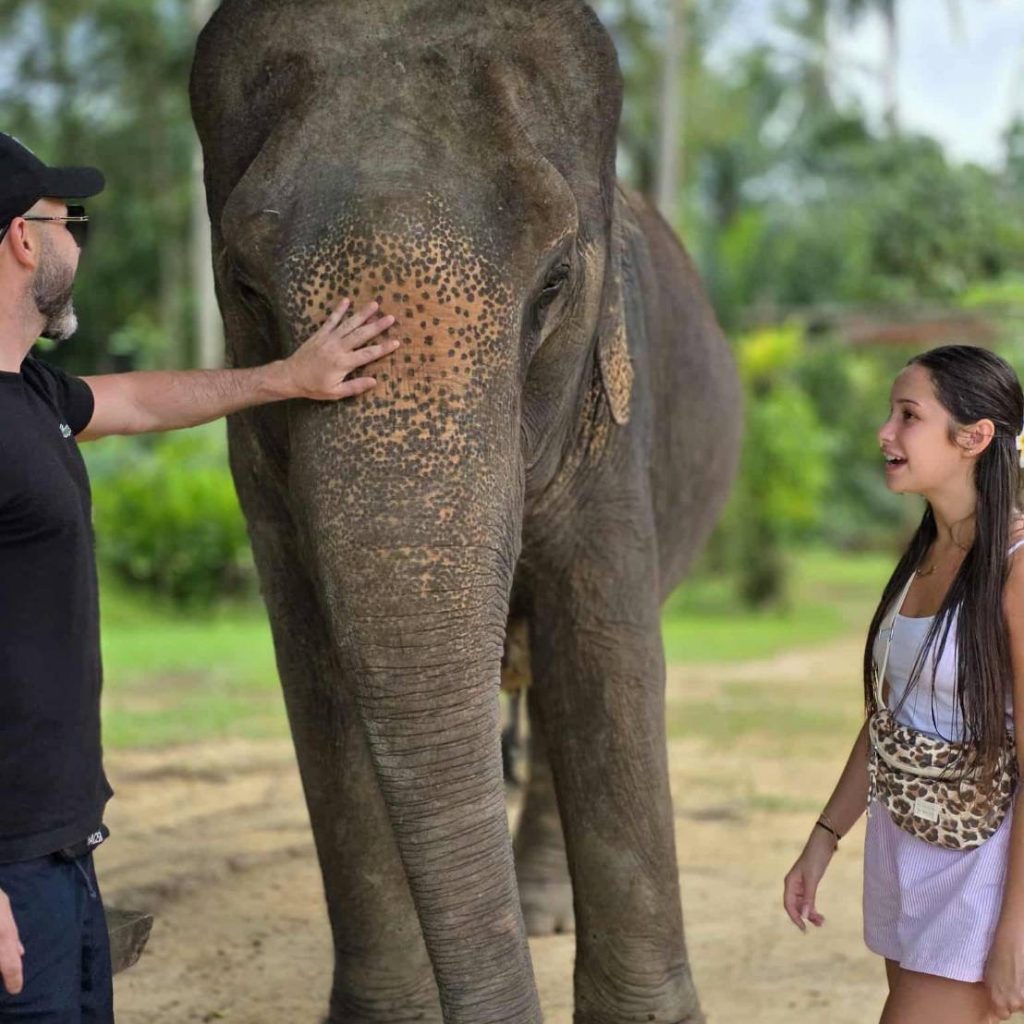
Krabi has emerged as one of southern Thailand’s leading destinations for ethical elephant feeding and trekking. Surrounded by forests, rivers, and limestone mountains, Krabi provides a calm and natural environment for elephants.
Elephant experiences in Krabi typically include:
- Preparing food for elephants
- Hand-feeding under supervision
- Walking with elephants through forest trails
- Educational talks about elephant care
Krabi’s elephant sanctuaries focus on small group sizes and no-riding policies, making the province ideal for eco-conscious travelers.
Chiang Mai – Northern Thailand’s Elephant Culture
Chiang Mai is widely known for its elephant sanctuaries and cultural connection to elephants. Many ethical centers here offer feeding and trekking experiences in forested landscapes that closely resemble elephants’ natural habitats.
Kanchanaburi – River and Forest Sanctuaries
Located near Bangkok, Kanchanaburi is home to several elephant sanctuaries where feeding and trekking take place along rivers and jungle trails. These experiences often emphasize rehabilitation and long-term care.
Phuket – Ethical Elephant Experiences Near Tourist Hubs
Phuket also offers elephant feeding and trekking at ethical sanctuaries located inland. These centers cater to travelers looking for responsible activities during shorter stays.
What to Expect from an Ethical Elephant Feeding & Trekking Experience
Ethical programs usually include:
- Educational introduction and safety briefing
- Food preparation and feeding sessions
- Walking with elephants at their own pace
- Observation of natural behavior
- No chains, riding, or performances
Elephants are allowed to rest, eat, and interact freely.
Elephant Feeding & Trekking and Responsible Tourism
When managed ethically, elephant feeding and trekking support:
- Long-term elephant care
- Alternative income for mahouts
- Conservation education
- Community-based tourism
Travelers play a key role by choosing responsible operators and respecting animal boundaries.
Why Krabi Is Ideal for Elephant Feeding & Trekking
Krabi offers a unique balance between accessibility and nature. Visitors can enjoy ethical elephant experiences while staying close to beaches, resorts, and other attractions.
Elephant feeding and trekking in Krabi are often combined with:
- Kayaking through mangroves
- Waterfall visits
- Island hopping
- Cultural village tours
This makes Krabi a strong destination for sustainable tourism businesses.
Conclusion
Elephant feeding and trekking in Thailand originate from centuries-old traditions of elephant care rooted in respect, responsibility, and coexistence. As tourism evolved, these practices were adapted into ethical experiences that prioritize elephant welfare and education over entertainment.
Today, destinations such as Krabi, Chiang Mai, Kanchanaburi, and Phuket offer responsible elephant feeding and trekking programs that allow travelers to connect with elephants in meaningful ways. For visitors seeking authentic cultural experiences and sustainable tourism, elephant feeding and trekking remain among Thailand’s most impactful nature-based activities.
Summary
Elephant feeding and trekking in Thailand are rooted in traditional elephant care practices focused on respect and coexistence. As tourism evolved, these activities became ethical alternatives to riding and shows. Today, provinces such as Krabi offer responsible elephant feeding and trekking experiences that support conservation, education, and sustainable tourism.
0 Comment