
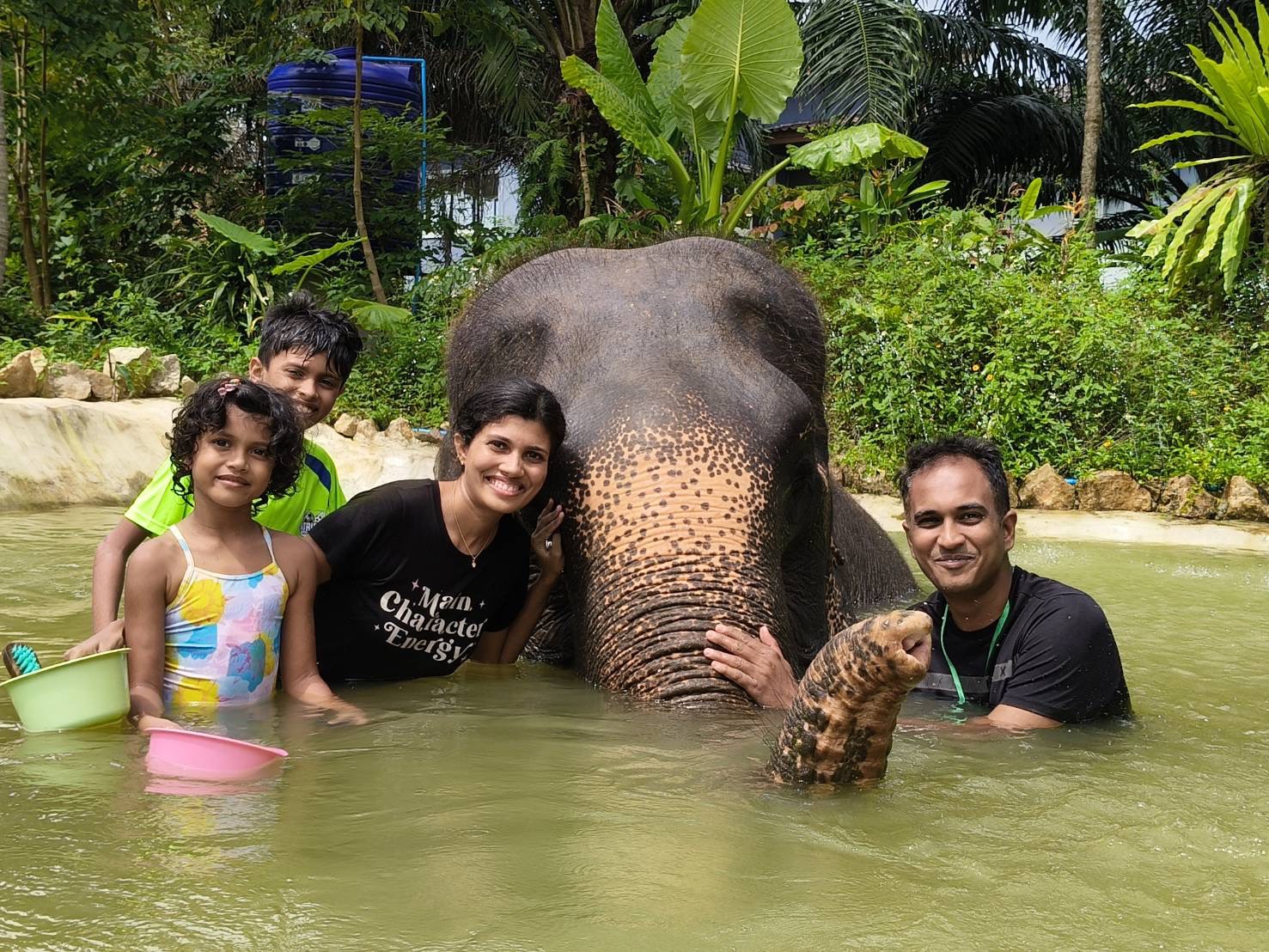

Elephants have been deeply connected to Thai history, culture, and identity for centuries. As Thailand’s national animal, elephants symbolize strength, wisdom, loyalty, and harmony between humans and nature. Among the many elephant-related activities that exist today, Elephant Bathing Krabi has become one of the most popular experiences for travelers seeking close, meaningful, and ethical interaction with these gentle giants.
But elephant bathing is not a modern invention created solely for tourism. Its origins can be traced back to traditional elephant care practices that focused on health, hygiene, and respect. This article explores what elephant bathing is, where it originated, its cultural significance in Thailand, and the most well-known elephant bathing destinations across the country, with a special focus on Krabi.
What Is Elephant Bathing?

Elephant bathing is an activity that allows humans to assist elephants during their natural bathing routine, usually in rivers, ponds, or natural water sources. In ethical settings, Elephant Bathing Krabi is conducted under the supervision of trained caretakers (mahouts) and focuses on the elephant’s comfort rather than human entertainment.
Typical elephant bathing activities include:
- Guiding elephants into shallow water
- Gently splashing or rinsing their skin
- Observing natural elephant behavior
- Learning about elephant care and conservation
Unlike riding or performances, elephant bathing emphasizes non-exploitative interaction, allowing elephants to move freely and participate voluntarily.
The Origins of Elephant Bathing in Thai Culture
Elephants in Traditional Thai Society
For hundreds of years, elephants played a crucial role in Thai society. They were used in:
- Transportation
- Forestry work
- Agriculture
- Warfare and royal ceremonies
Elephants lived closely with humans, especially in rural and forested regions. Their health was essential, and bathing was part of daily elephant care, not entertainment.
Bathing as Elephant Care, Not Tourism
In traditional elephant management, bathing helped:
- Cool the elephant’s body in hot climates
- Remove dirt, parasites, and insects
- Maintain healthy skin
- Strengthen the bond between elephants and caretakers
Elephants naturally enjoy water, and rivers became safe, familiar places where elephants could relax. These routines formed the cultural foundation of what is now known as elephant bathing.
The Transition from Tradition to Tourism
Changes in Elephant Roles
As Thailand modernized, the use of elephants in logging and heavy labor declined. Laws banning logging and increased awareness of animal welfare forced many elephant owners to seek alternative livelihoods.
Tourism emerged as one of the few ways to support elephants financially. However, early elephant tourism often involved riding, shows, and unnatural performances.
Rise of Ethical Elephant Experiences
In recent decades, global awareness of animal welfare transformed elephant tourism. Ethical sanctuaries began replacing riding and shows with activities that reflected traditional care, such as:
- Feeding
- Walking
- Bathing
- Observation and education
Elephant bathing became popular because it aligned with natural behavior while offering visitors meaningful interaction.
Cultural Meaning of Elephant Bathing in Thailand
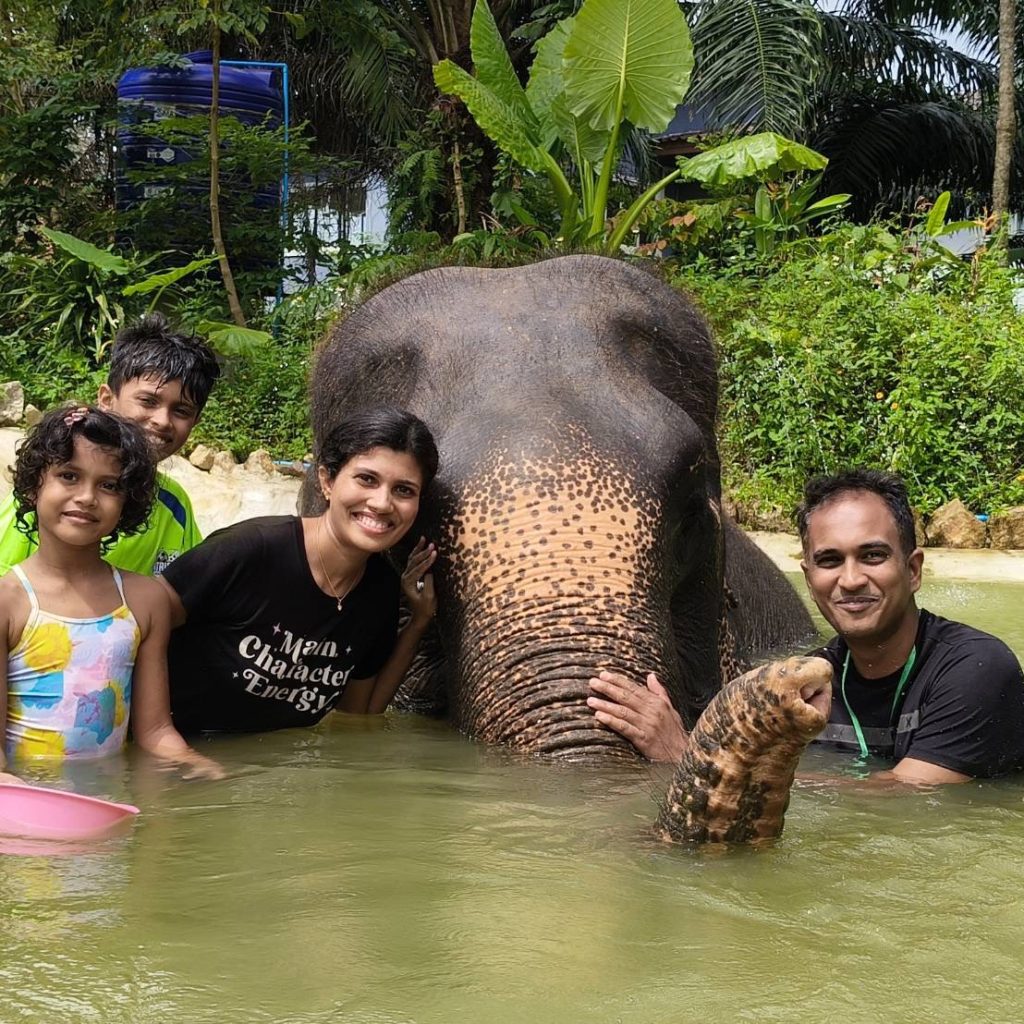
Elephant bathing represents more than physical cleanliness. Culturally, it reflects:
- Respect for animals
- Responsibility of caretakers
- Balance between humans and nature
- Mindful interaction rather than control
In Thai belief systems, caring for elephants is often associated with merit-making and moral responsibility. Ethical elephant bathing allows visitors to witness these values in practice.
Ethical Elephant Bathing Today
What Makes Elephant Bathing Ethical?
Not all elephant bathing experiences are the same. Ethical elephant bathing includes:
- No riding or performances
- No chains or forced behavior
- Freedom for elephants to enter or leave water
- Limited group sizes
- Education about conservation and welfare
Elephants should always be in control of the interaction.
Education and Conservation
Modern Elephant Bathing Krabi experiences also educate visitors about:
- Elephant biology and behavior
- Conservation challenges
- Habitat loss
- Responsible tourism choices
This transforms elephant bathing from entertainment into learning.
Famous Elephant Bathing Destinations in Thailand
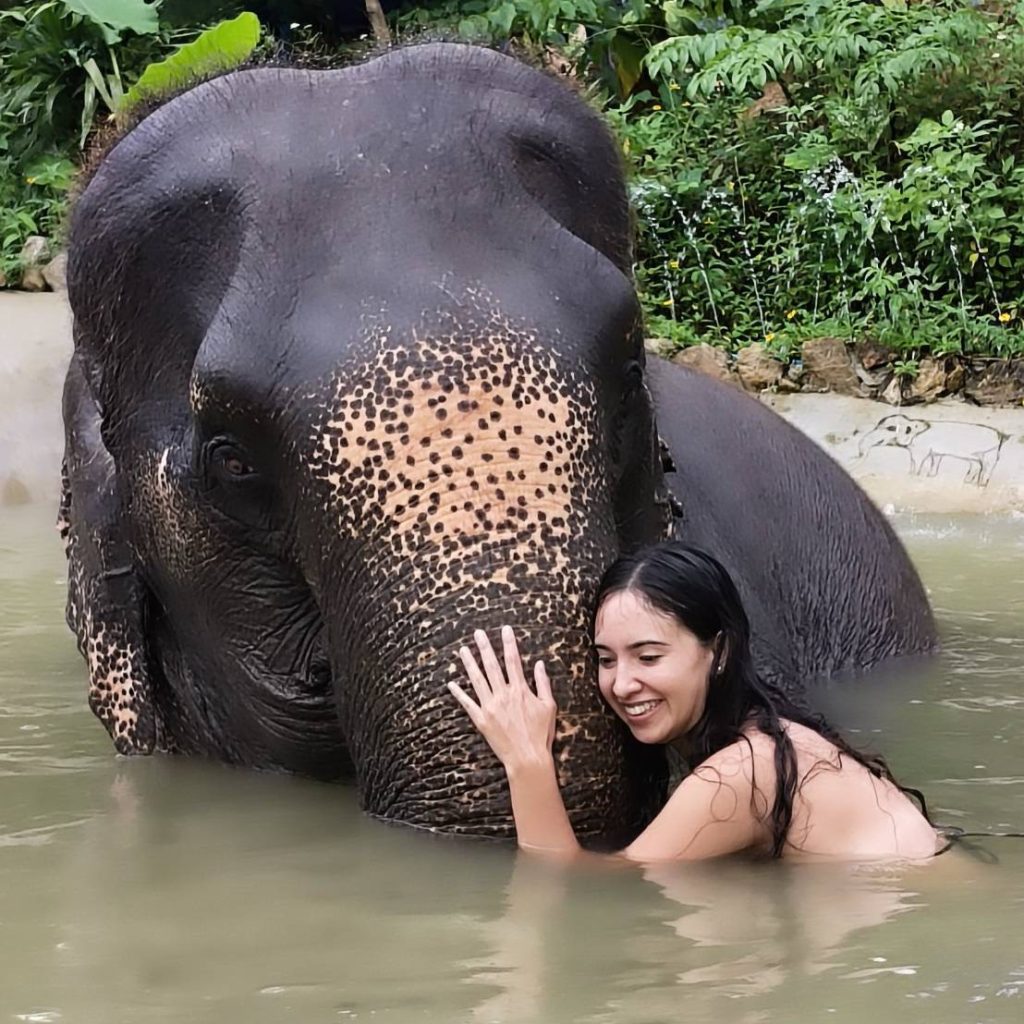
Krabi – Ethical Elephant Bathing in a Natural Setting
Krabi is one of southern Thailand’s leading destinations for ethical elephant experiences. Surrounded by forests, rivers, and mountains, Krabi provides a natural environment suitable for elephant rehabilitation and care.
Elephant bathing experiences in Krabi often take place in:
- Natural rivers
- Forest sanctuaries
- Quiet inland areas away from mass tourism
These experiences are typically combined with jungle walks, feeding sessions, and educational programs, making Krabi ideal for eco-conscious travelers and families.
Chiang Mai – Northern Thailand’s Elephant Sanctuaries
Chiang Mai is widely known for its elephant sanctuaries. Many ethical centers here focus on rescued elephants and allow bathing in rivers as part of natural routines.
Northern Thailand offers cooler climates and forested landscapes that closely resemble elephants’ natural habitats.
Kanchanaburi – River-Based Elephant Care
Located near Bangkok, Kanchanaburi is home to several elephant sanctuaries along rivers. Elephant bathing here often involves calm river environments and strong educational components.
Phuket – Ethical Elephant Experiences Near the Sea
Phuket also offers elephant bathing at ethical sanctuaries, usually located inland away from crowded beaches. These experiences cater to travelers seeking responsible activities during short stays.
Elephant Bathing and Responsible Tourism

Elephant bathing plays a key role in responsible tourism when managed correctly. Benefits include:
- Financial support for elephant care
- Alternative income for local communities
- Reduced reliance on harmful tourism practices
- Increased awareness of conservation issues
Travelers are encouraged to choose operators that follow ethical guidelines and prioritize animal welfare.
Why Elephant Bathing Is Popular in Krabi
Krabi stands out as a destination for elephant bathing because it combines:
- Natural forest environments
- Ethical tourism standards
- Accessibility from beach areas
- Combination with other nature activities
Visitors can enjoy elephant bathing alongside kayaking, waterfalls, island hopping, and cultural experiences, making Krabi a well-rounded destination.
Conclusion
Elephant bathing in Thailand originates from centuries-old traditions of elephant care rooted in respect, responsibility, and harmony with nature. As tourism evolved, these practices were transformed into ethical experiences that prioritize animal welfare and education.
Today, destinations such as Krabi, Chiang Mai, Kanchanaburi, and Phuket offer responsible elephant bathing experiences that allow travelers to connect with elephants in meaningful ways. For those seeking an authentic, ethical, and culturally respectful activity, elephant bathing remains one of Thailand’s most powerful nature-based experiences.
Summary
Elephant Bathing Krabi in Thailand is rooted in traditional elephant care practices that focus on health, respect, and harmony with nature. As tourism evolved, elephant bathing became an ethical alternative to riding and performances. Today, destinations such as Krabi offer responsible elephant bathing experiences that support conservation, education, and sustainable tourism.
0 Comment